Ransomware Protection Charleston SC: Is “Guaranteed” a Realistic Promise?

Many businesses in Charleston, SC, are rightly concerned about the growing threat of ransomware. Therefore, it’s natural to seek robust solutions. The idea of “guaranteed” ransomware protection sounds ideal, offering complete peace of mind. However, understanding the complex nature of cyber threats reveals that absolute guarantees are rarely achievable in the ever-evolving cybersecurity landscape.
Key Insights
Absolute Guarantees are Unrealistic – The dynamic nature of cyber threats means no single solution can offer 100% immunity; instead, continuous vigilance and adaptable strategies are crucial for businesses in Charleston.
Focus on Proactive, Layered Defense – Effective ransomware protection involves multiple security layers, including advanced threat detection, robust firewalls, and regular system updates, significantly reducing vulnerability for local companies.
Employee Training is a Critical Barrier – Human error remains a leading cause of security breaches, so comprehensive cybersecurity awareness training for all staff acts as a vital first line of defense against phishing and social engineering attacks.
Comprehensive Data Backup is Non-Negotiable – Even with the best defenses, a successful attack is possible; secure, off-site, and regularly tested data backups ensure business continuity and quick recovery without paying a ransom.
Partnering with a Local IT Expert is Beneficial – A specialized IT security Charleston provider offers tailored solutions, localized support, and up-to-date threat intelligence, which is invaluable for businesses operating in the Lowcountry.
Understanding the Realities of Ransomware Threats
Ransomware attacks have surged in sophistication and frequency. Consequently, they pose a significant threat to organizations of all sizes, from small local shops to large enterprises. These malicious software programs encrypt data and demand payment for its release, often crippling operations for days or weeks. For example, a recent report from Cyberreason indicated a 20% increase in global ransomware attacks in the first half of 2023 alone. This highlights the persistent danger facing Charleston businesses.
The Evolving Threat Landscape
Cybercriminals constantly develop new tactics and exploit emerging vulnerabilities. This rapid evolution makes it incredibly challenging for any single security measure to offer an absolute guarantee against future attacks. Furthermore, attackers often leverage zero-day exploits, which are previously unknown vulnerabilities, making detection difficult even for advanced systems. Therefore, a static defense strategy is inherently insufficient against such dynamic threats.
Why “Guaranteed” Protection Is a Myth
The term “guaranteed” in cybersecurity often misrepresents the reality of digital defense. Instead, it suggests an impenetrable shield that simply doesn’t exist. We must approach cybersecurity with a pragmatic understanding of risk management rather than seeking an impossible promise.
The Human Element
Most successful ransomware attacks start with human error. This includes clicking on phishing links, falling for social engineering tactics, or using weak passwords. Although technology can mitigate some risks, it cannot completely eliminate the unpredictable nature of human behavior. Therefore, employee training is a crucial, ongoing component of any strong security posture.
Technological Limitations and Zero-Day Exploits
No software or hardware solution is perfectly flawless. All systems have potential vulnerabilities. Moreover, new exploits are discovered daily, often before patches can be developed or applied. These “zero-day” exploits can bypass even the most cutting-edge defenses, illustrating why ransomware protection Charleston SC cannot be 100% guaranteed. Companies need to focus on rapid detection and response instead.
Building a Robust Ransomware Defense: What IS Possible
While a 100% guarantee is not feasible, building an extremely robust, multi-layered defense significantly reduces your risk. Moreover, it ensures a swift recovery should an incident occur. This comprehensive approach is what truly protects businesses.
1. Proactive Defense Strategies
A strong defense begins long before an attack. This involves implementing measures that actively prevent malicious software from entering your network. For example, robust Managed It Services Support often includes advanced endpoint protection and intrusion detection systems. These are vital for early threat identification.
Advanced Threat Detection & Prevention
Modern cybersecurity solutions employ artificial intelligence and machine learning to identify and block suspicious activities. This includes advanced firewalls, intrusion prevention systems (IPS), and next-generation antivirus software. These tools work continuously to scan, detect, and neutralize threats before they can execute. Therefore, they form a critical first line of defense.
Email Security and Filtering
Since phishing emails are a primary vector for ransomware, strong email security is paramount. Advanced filters can identify and quarantine malicious emails, preventing them from ever reaching an employee’s inbox. Furthermore, URL scanning and attachment sandboxing add extra layers of protection. This makes it harder for ransomware to gain a foothold.
2. Strong Data Backup and Recovery
Even with the best proactive defense, a sophisticated attack might still succeed. In such cases, your ability to recover your data quickly and efficiently is paramount. Indeed, a solid backup strategy is your ultimate safeguard against data loss.
Regular, Off-Site, and Immutable Backups
Your data should be backed up frequently, stored off-site, and ideally, be immutable. Immutable backups cannot be altered or deleted, even by ransomware. This ensures that you always have clean data to restore. We highly recommend testing your disaster recovery planning regularly to confirm its effectiveness. This ensures you can confidently recover from any incident.
Business Continuity Planning
Beyond just data recovery, a comprehensive business continuity plan outlines how your operations will continue during and after a cyber incident. This includes fallback systems, communication protocols, and roles and responsibilities for your team. Consequently, it minimizes downtime and helps maintain productivity.
3. Employee Training and Awareness
As mentioned, the human element is often the weakest link. Therefore, investing in thorough employee training is one of the most effective cybersecurity measures a Charleston business can take. This transforms your staff into a strong defensive line.
Phishing Awareness Programs
Regular training sessions and simulated phishing exercises teach employees how to recognize and report suspicious emails. This drastically reduces the likelihood of them clicking on malicious links. Therefore, a well-informed workforce acts as an active defense mechanism.
Best Practices for Data Handling
Educating employees on secure data handling, password hygiene, and the importance of reporting unusual activity fosters a culture of security. This collective awareness strengthens your overall posture. In addition, it reduces common IT errors in small businesses.
4. Regular System Maintenance and Updates
Keeping your systems patched and updated is a fundamental cybersecurity practice. Furthermore, it closes known vulnerabilities that attackers frequently exploit.
Patch Management
Ensuring all software, operating systems, and applications are consistently updated with the latest security patches is critical. Many ransomware attacks target vulnerabilities that have already been fixed by vendors but not yet applied by users. Therefore, automated patch management systems are invaluable for maintaining system integrity.
Network Segmentation
Dividing your network into smaller, isolated segments can contain a ransomware infection, preventing it from spreading across your entire organization. This limits the damage an attack can inflict. Consequently, it makes recovery much faster and more manageable.
5. Incident Response Planning
Even with robust defenses, having a clear plan for what to do if an attack occurs is essential. Indeed, swift action can significantly reduce the impact of ransomware.
Developing an Actionable Plan
An incident response plan outlines the steps to take immediately after a breach is detected, including isolation, eradication, recovery, and post-incident analysis. This structured approach minimizes panic and ensures an organized response. For instance, a medical practice in Charleston needs HIPAA compliant IT services with specific protocols for data breaches.
Testing and Refining the Plan
Regularly testing your incident response plan through drills and simulations helps identify weaknesses and refine procedures. This iterative process ensures that your team is prepared and efficient when a real event occurs. Furthermore, it builds confidence in your ability to manage crises effectively.

Choosing the Right Partner for Ransomware Protection in Charleston
Selecting a local IT partner who understands the nuances of cybersecurity landscape is a strategic move for Charleston businesses. Moreover, they can offer tailored expertise that generic solutions cannot.
Local Expertise and Responsive Support
A Charleston-based provider understands the specific challenges and compliance requirements for businesses in the area. This includes providing IT support for law firm clients or other specialized industries. Furthermore, local presence often translates to faster, more personalized support. For example, they can offer 24/7 IT helpdesk support in Charleston.
Comprehensive Security Assessments
A reputable IT provider will conduct a thorough risk assessment of your current infrastructure to identify vulnerabilities and recommend tailored solutions. This personalized approach ensures that your security investments are targeted and effective. Additionally, it helps to build a more resilient security posture.
Implementing a Layered Security Approach
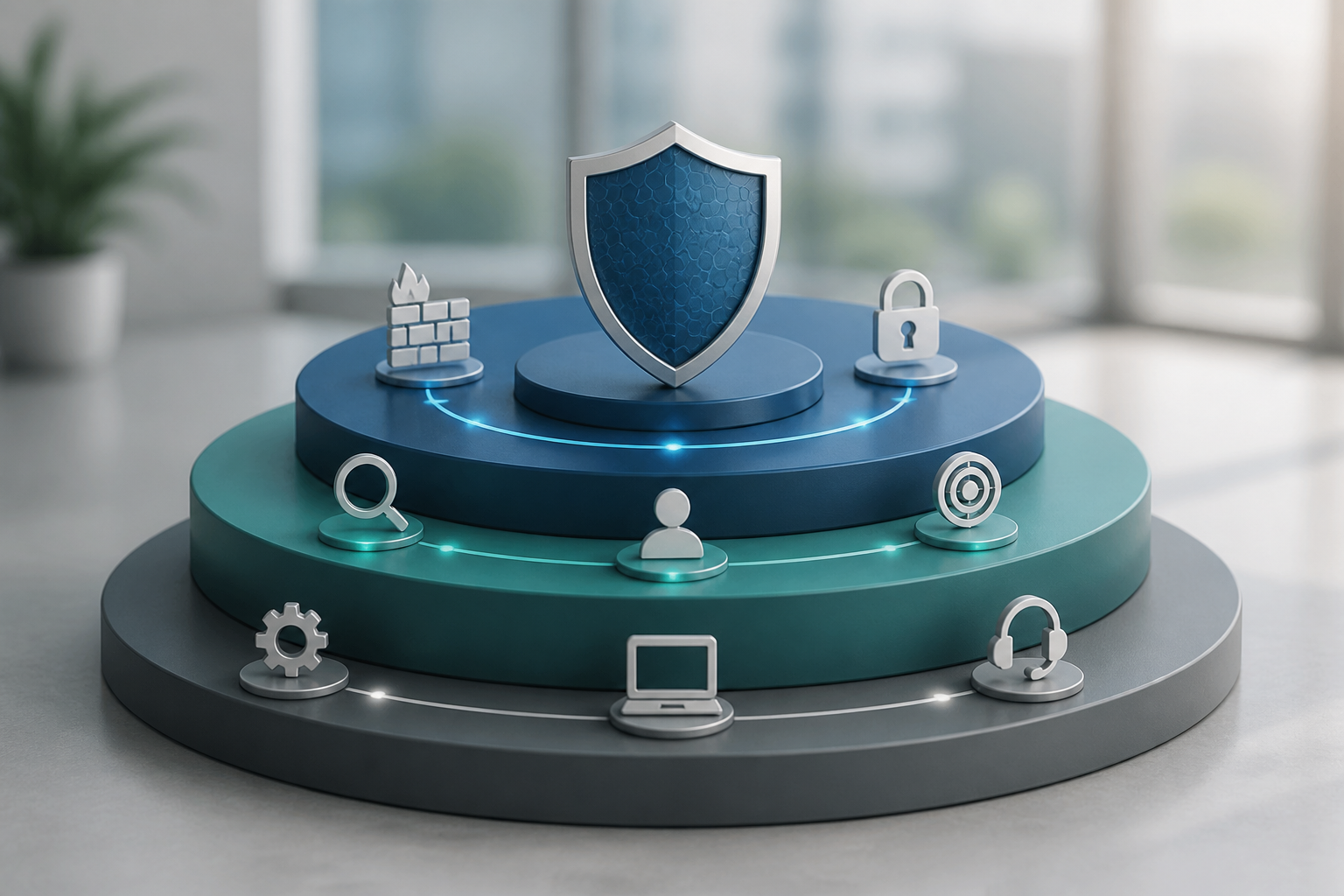
Instead of seeking a single, mythical guarantee, focus on building a robust, layered security approach. This involves combining multiple security technologies and practices to create a formidable defense. Each layer acts as a barrier, increasing the difficulty for attackers to penetrate your systems. According to the National Institute of Standards and Technology (NIST), a multi-layered defense strategy is essential for effective cybersecurity (NIST Cybersecurity Framework). This strategy includes everything from firewalls and antivirus to intrusion detection and data encryption. Furthermore, regular security audits and penetration testing ensure your defenses remain strong against new threats. This holistic approach provides the best possible protection for your business.
Ready to Fortify Your Business Against Ransomware?
Don’t fall for the illusion of a “guaranteed” solution. Instead, invest in a proactive, layered cybersecurity strategy designed for the real world. Our Charleston IT experts are ready to build a comprehensive defense tailored to your unique business needs.
Frequently Asked Questions
What is the most common way ransomware attacks occur?
Ransomware attacks most frequently occur through phishing emails, which trick users into clicking malicious links or opening infected attachments. They can also spread through vulnerable software, remote desktop protocol (RDP) exploits, and compromised websites. Therefore, employee awareness training is critically important to mitigate these risks.
Can antivirus software fully protect my business from ransomware?
Antivirus software is an essential component of a cybersecurity strategy, offering a baseline defense against known threats. However, it cannot guarantee full protection against all forms of ransomware, especially new variants or zero-day exploits. Therefore, a multi-layered approach including firewalls, intrusion detection, and robust backup solutions is necessary for comprehensive defense.
How often should we back up our data to protect against ransomware?
The frequency of data backups depends on how quickly your business generates and modifies critical data. For most businesses, daily backups are a minimum recommendation, but some may require hourly or even continuous backups to minimize potential data loss. Furthermore, these backups should be stored securely off-site and tested regularly to ensure their integrity.
What should I do immediately if my business is hit by ransomware?
If your business is hit by ransomware, immediately isolate the affected systems to prevent the spread of the infection. Disconnect the compromised devices from the network, but do not shut them down if forensic analysis is desired. Then, contact your IT support provider or a cybersecurity expert for assistance with containment, eradication, and recovery. Never pay the ransom without professional advice, as there’s no guarantee of data recovery.
Is cybersecurity insurance a good idea for ransomware protection?
Yes, cybersecurity insurance is an increasingly vital component of a comprehensive ransomware protection strategy. It can help cover financial losses associated with a cyber attack, including incident response costs, data recovery, legal fees, and business interruption. However, it’s not a substitute for robust technical and procedural safeguards; instead, it acts as a financial safety net.